
Originally published May 1, 2024
Nike is known around the world as a powerhouse of athletic apparel. The company is widely renowned for its stylish clothing that can be worn anywhere from lounging around the house to running a marathon. Nike is also known for its many sponsorships and partnerships with different athletes and brands.
This past February, Nike became an equity investor in the WNBA. In a recent article about the partnership, Nike talks about its belief that it will help the league grow and give WNBA athletes a chance to shine. While this all sounds amazing and like Nike is going to do great things for the league, I can’t help but question what the company has done for women athletes in the past and how they plan to do it now.
Nike has faced heavy criticism over its CSR policies in the past. In recent years, the company’s CSR policies have improved substantially through new sustainability programs, responsible sourcing, DEI and more. Nike’s CSR policies are still a little unclear and difficult to find. The website shows little hard evidence and data to prove what the company is doing is working. However, today I want to focus on what the company has done for women and gender equality specifically, and how this is going to affect the WNBA.
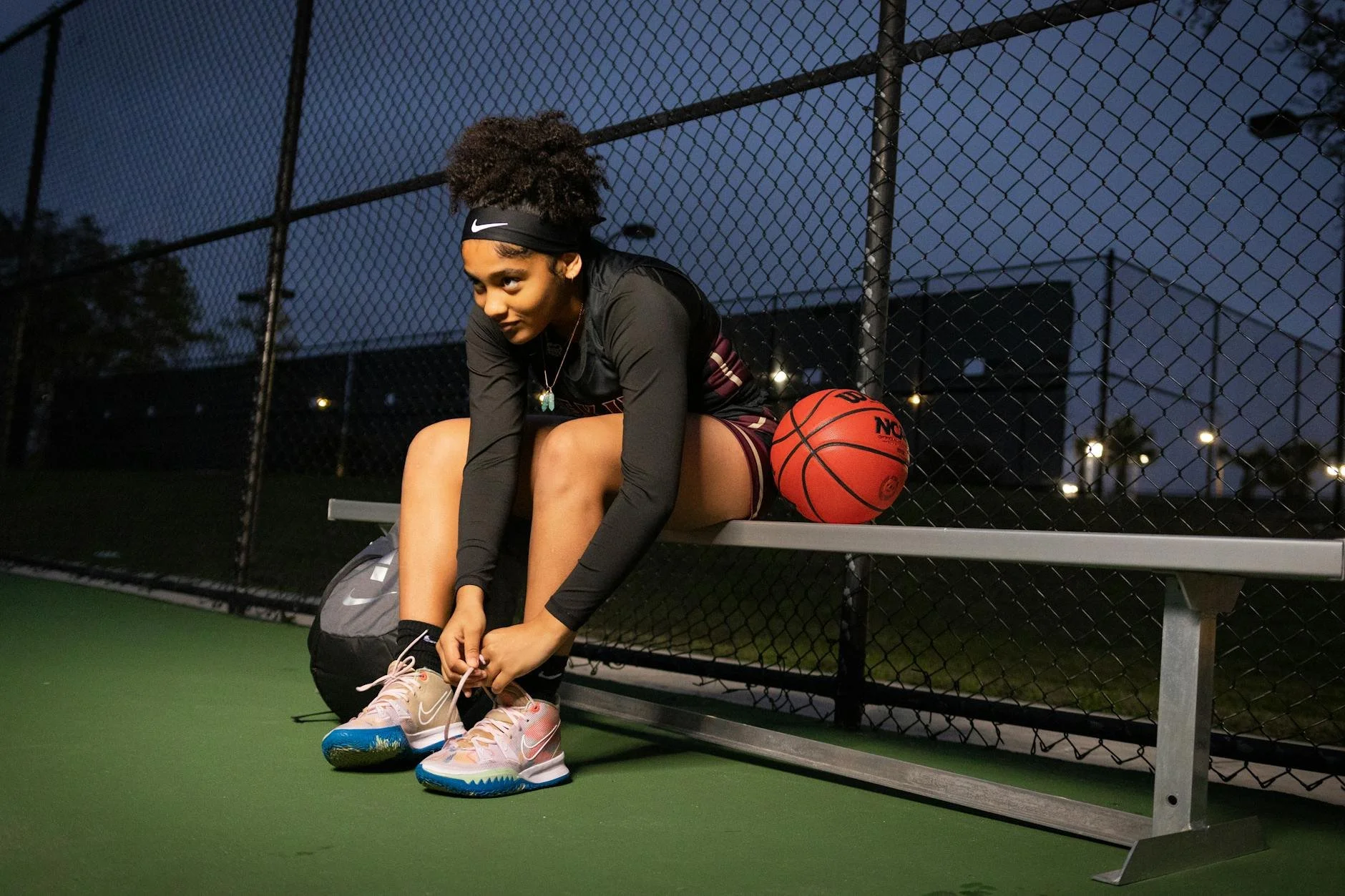
Photo by Truman Rexti on Pexels.com
Nike’s website shows it has set high goals for where it wants to see women’s sports go in the future. The business believes creating “research-backed, inclusive play- and sport-based programmes” can help the next generation of children, especially girls. The website gives some hard data about what it has done to help this cause through donations to underrepresented communities, giving coaches more training tools and giving 1.1 million kids “greater access to sport, 48% of whom were girls.” Nike has many resources to explain how they are making sports more accessible through these important programs:
Made to Play – aims to get kids moving in all communities through programs and organizations with local leaders.
How to Coach Kids – courses to teach coaches how to coach kids of all ages and abilities. There is a specific program that teaches coaches How to Coach Girls as well.
The Sports Bra Playbook – a resource designed to help coaches coach kids during puberty. There is a similar handbook called the Hijab Playbook that explores how to empower Hijab-wearing athletes.
All of these resources and more make me excited for the future of girls in sports. Although Nike struggles to provide all the aspects of a good CSR program, the way it supports young athletes is important. In the future, Nike needs to learn to back up its CSR policies with hard data. Everything the company says about its DEI programs, sustainability programs, etc. all sounds good on paper, but it’s difficult to find evidence it works in the real world.
Overall, I think the equity investor partnership between the WNBA and Nike is good for both brands. The WNBA and Nike have the opportunity to inspire the next generation of players, especially women. If Nike can prove the CSR policies they have in place are making a positive impact on the world, both brands have a lot to look forward to.